Bhutan has a reputation for being complicated to enter, and it isn't — for Indian nationals specifically, it's considerably simpler than most other countries treat it. But there are a few pieces (the permit, the SDF, and how the route is typically sequenced) that are worth understanding before you book, since they shape your whole itinerary.
Do Indians Need a Visa for Bhutan?
No visa is required for Indian citizens. Instead, you need an entry permit, which can now be arranged online in advance through Bhutan's official immigration system, or on arrival at Paro airport or the Phuentsholing land border, using a valid passport (or voter ID for land entry, though a passport is strongly recommended for smoother processing). This is a genuinely simpler process than a standard visa application, but it still requires advance attention — don't assume it's purely a formality handled on the spot.
The Sustainable Development Fee (SDF)
Bhutan charges all tourists a daily Sustainable Development Fee, and Indian nationals pay a reduced rate compared to other foreign nationals, currently charged per person per night. This fee funds free healthcare, education and environmental conservation in Bhutan, and it's a mandatory part of your trip cost regardless of how you book. Rates have changed in recent years, so confirm the current SDF amount at the time of booking rather than relying on older figures you may have seen quoted.
Thimphu vs Paro: How the Route Works
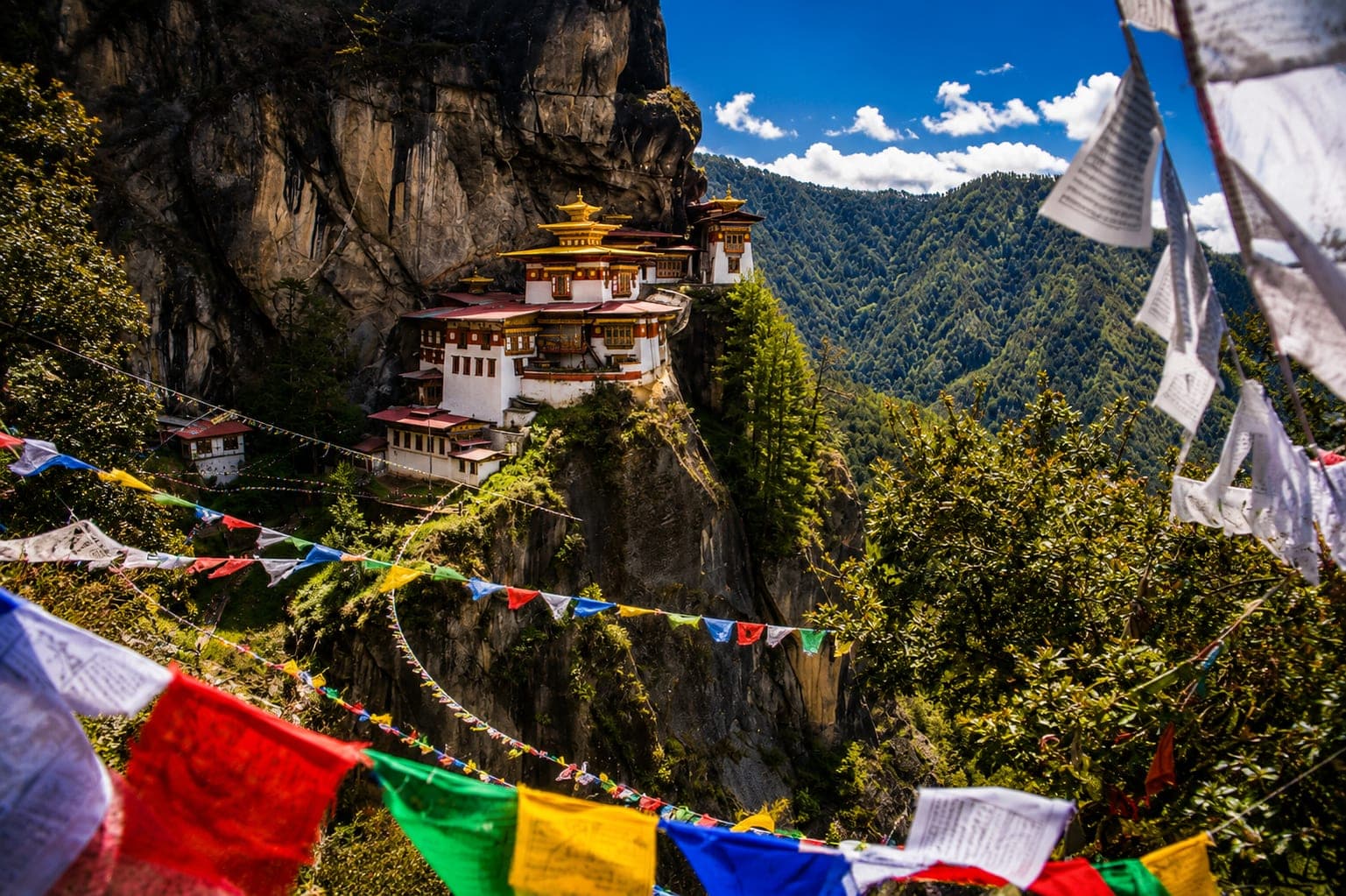
Almost every Bhutan trip enters through Paro (home to the country's only international airport, and to the iconic Tiger's Nest Monastery hike) and bases part of the trip in Thimphu, the capital, about an hour away by road. Thimphu has the Buddha Dordenma statue, the weekend market, and the country's main administrative and cultural sites. Paro is smaller but holds the single most-photographed sight in Bhutan.
A standard first-timer route runs Paro (arrival) → Thimphu (2 nights) → Paro (2 nights, including the Tiger's Nest hike) → departure. Longer trips extend to Punakha, home to Punakha Dzong, widely considered Bhutan's most beautiful fortress-monastery, and a scenic drive over Dochula Pass along the way.
The Tiger's Nest (Paro Taktsang) Hike
This is Bhutan's must-do trek — a steep uphill walk to a monastery built into a cliff face, taking roughly 4-5 hours round trip including time at the monastery itself. It's demanding but doesn't require technical skill, just reasonable fitness and a early start to avoid midday heat and crowds. Ponies are available for part of the ascent for those who need it, though the final stretch is on foot regardless.
Best Time to Visit Bhutan
March to May and September to November are peak season, coinciding with clear mountain views, comfortable temperatures, and Bhutan's major festivals (tshechus) featuring masked dances at dzongs across the country. December to February is cold but clear, workable for those less interested in festivals. June to August is monsoon season with more rain and cloud cover, generally the quietest and least recommended window.
How Many Days Do You Need?
5-6 days covers Paro and Thimphu comfortably, including the Tiger's Nest hike. 7-8 days allows adding Punakha and a more relaxed pace, which is the version we'd recommend if your schedule allows it.
If you'd like help arranging the Bhutan permit, SDF and a realistic itinerary, get in touch and we'll take you through it.