Our Trips
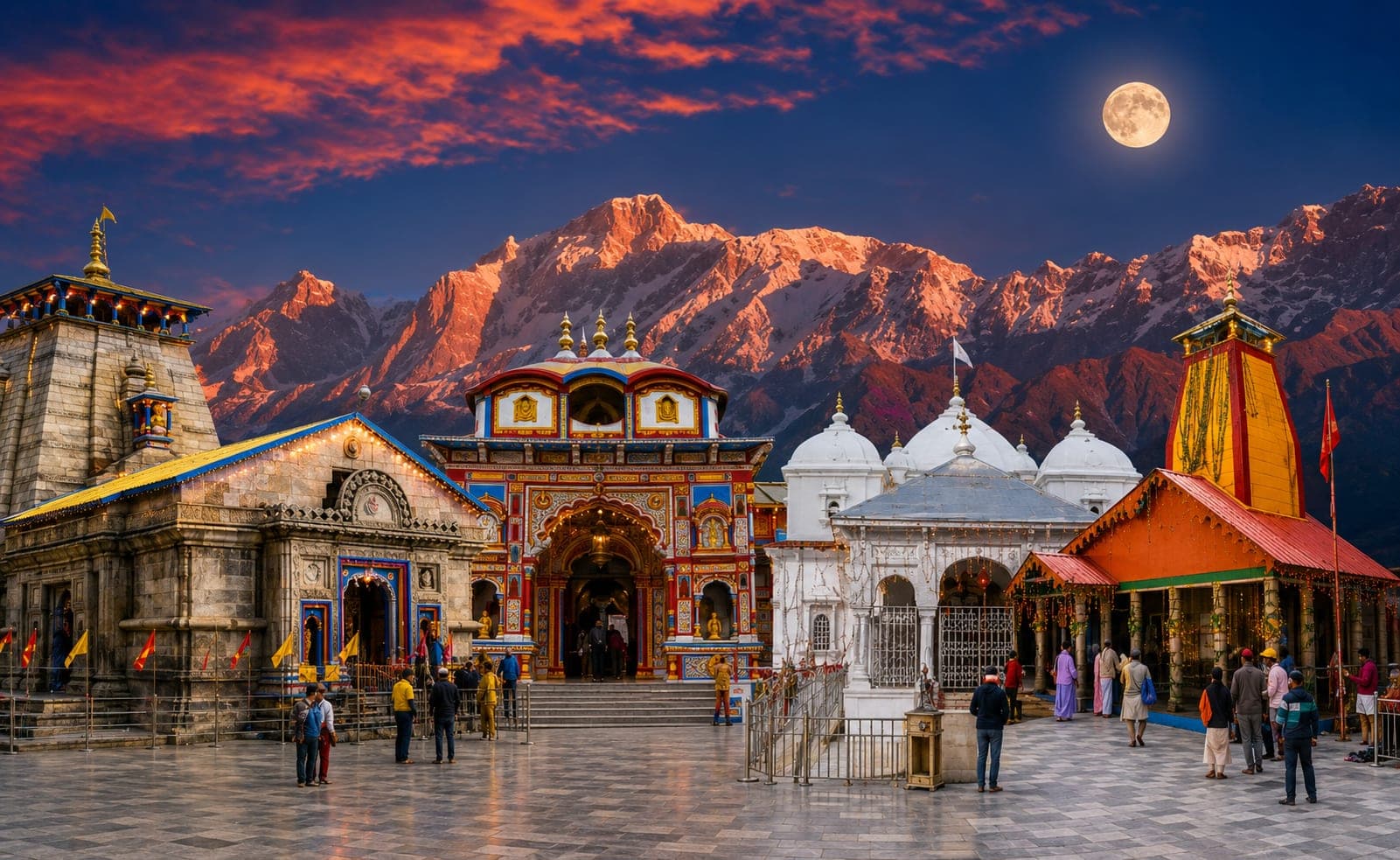
Jim Corbett Wildlife ExperienceManali | Jana VillageGateway to Heaven — Srinagar & DoodhpathriCorbett • Kausani • MunsiyariThe Kumaon Self-DiscoveryKashmir Complete CircuitManali — A Gift of the HimalayasChar Dham YatraKedarnath–Badrinath YatraEnchanting Kerala EscapadeLadakh Complete CircuitAmritsar — Spiritual & Historical ExtravaganzaUdaipur & Mount AbuMcleodganj & TriundJaisalmer — The Golden City ExperienceNepal Tour PackageDubai Tour PackageJim Corbett & NainitalHealing Trip to Corbett & MukteshwarRefresh & Rejuvenate at KausaniShimla • Kufri • ChailNarkanda — Gateway to Apple CountryCorbett • Chaukori • Patal BhuvaneshwarTirthan ValleyBhimtal | AlmoraChopta | TungnathRishikesh & Mussoorie — World's Yoga CapitalBaga Sarahan & Narkanda — Shiva ValleyKalpaSangla ValleyAyodhya & VaranasiAdi Kailash & Om ParvatNainital, Almora, Kausani & CorbettNorth East India — Guwahati, Shillong & CherrapunjeeHimachal Pradesh — Shimla, Manali, Dharamshala & DalhousieMunnar, Thekkady & AlleppeyMunnar, Thekkady, Alleppey & KovalamDwarka, Somnath & GirRudraprayag & Kartik Swami TrekShangarh Sainj ValleyHarsil & Gartang GaliJibhi Tirthan ValleyUdaipur & KumbhalgarhChopta, Tungnath & Deoria Tal TrekJim Corbett National ParkRishikeshKasar Devi & JageshwarBhutan Tour PackageBaku Tour Package