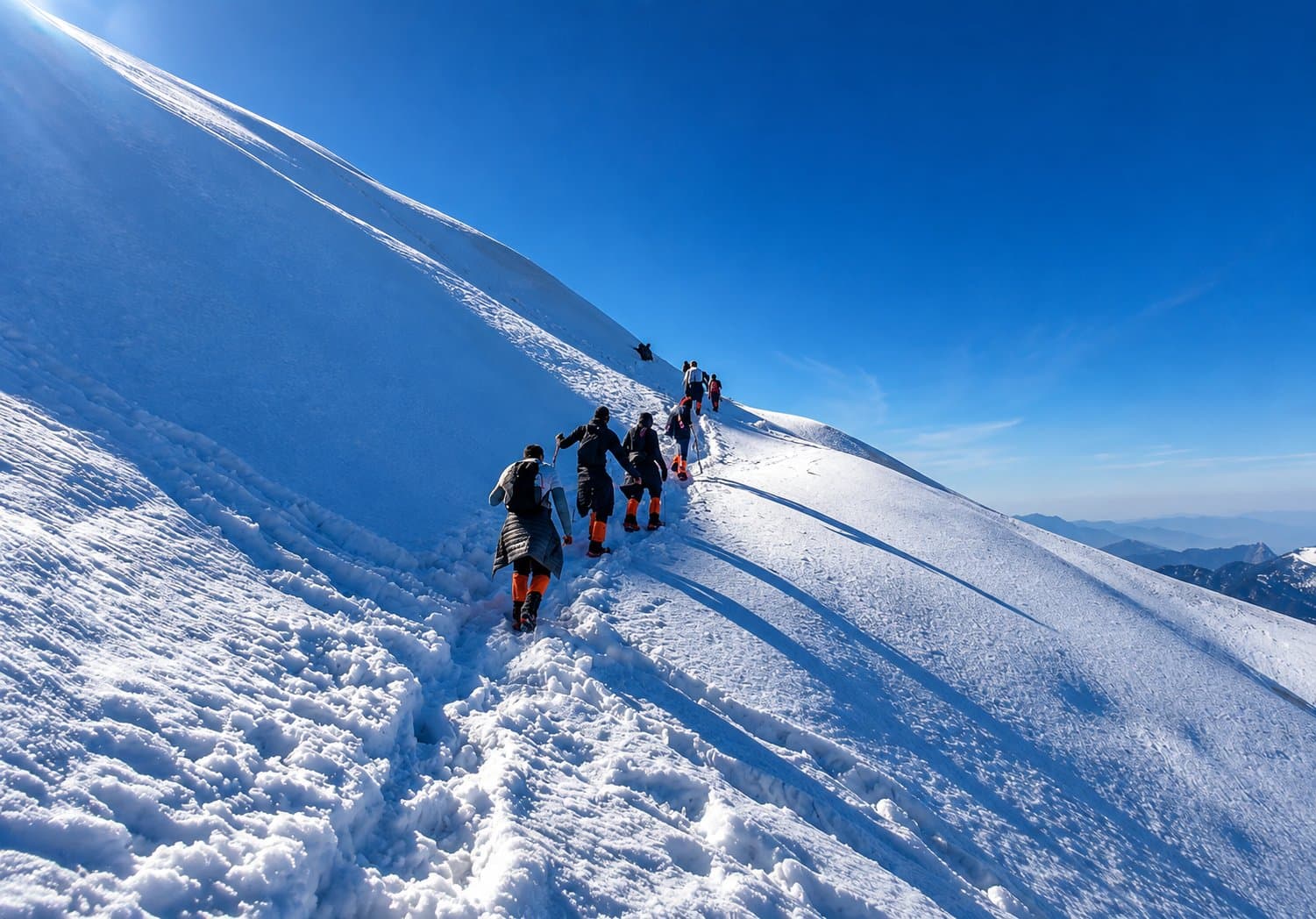
There's a real difference between a weekend trip to see snow and an actual winter trek — walking into it, camping in it, waking up to a snow-covered tent. If our snow destinations guide was for families and first-timers who want to experience snow comfortably, this one is for the trekking crowd: people who want a genuine winter expedition, not just a viewpoint.
What Makes a Winter Trek Different from a Summer One
Winter treks move slower, demand more gear, and reward you with something summer treks can't — snow-covered trails, frozen lake surfaces, and a kind of stillness the same route doesn't have in July. They also come with real additional demands: shorter daylight windows, colder nights at camp, and a genuine need for proper cold-weather gear rather than a light jacket. None of the routes in this guide are extreme, technical mountaineering — they're accessible winter treks, but "accessible" still means real preparation, not a casual walk.
Chopta, Tungnath and Chandrashila in Winter
Chopta sits high enough that its winter character is genuinely different from its summer one — the trail to Tungnath Temple (the highest Shiva temple in the world) and on to Chandrashila Peak runs through snow cover for a meaningful stretch of the season, with Swiss-tent camping at Chopta itself. Our Chopta, Tungnath & Deoria Tal Trek weekend package and the longer Chopta | Tungnath itinerary both cover this route — winter and New Year-period departures can be arranged on request, so check current availability and book early, since this is one of the most in-demand windows of the year for this specific trek.
Triund in Winter
Triund, the roughly 7 km trek from McLeodganj, carries a similar winter character — snow cover on the ridge through the coldest months, with direct Dhauladhar range views that are arguably even more striking against snow than in summer's clearer-but-greener landscape. Our McLeodganj & Triund package includes overnight camping at Triund; as with Chopta, a winter or New Year-period departure can be arranged on request — get in touch with your dates to confirm.
Dayara Bugyal: A Genuine Winter Snow Trek
Dayara Bugyal is a different case from the two above — in winter specifically (December through February), its usual green meadow turns into a genuine snow-trekking destination, with accessible snowshoeing-style trails that are popular precisely because the gradient stays moderate even under snow. It isn't currently on our fixed package list, but see our complete Dayara Bugyal trek guide for the full route and season breakdown, or get in touch for a custom winter itinerary.
New Year Trek Packages: What to Know
A trek over the New Year period has become a genuinely popular way to welcome the new year for Indian trekkers — ringing it in at altitude, around a bonfire, away from city crowds. If this is what you're planning around, Chopta-Tungnath and Triund are the two strongest options in this guide given their accessibility and camping infrastructure. Two honest things worth knowing before you book: New Year week is the single busiest window of the entire winter for both routes, so confirm availability and book meaningfully earlier than you would for a random January weekend; and weather at altitude over New Year can be genuinely cold and occasionally disruptive to exact timings, so build in some flexibility rather than a rigid countdown-at-the-summit plan.
Winter Trek Difficulty Comparison
| Trek | Distance | Winter Character | Difficulty | Camping |
|---|
| Triund | ~7 km one-way | Snow-covered ridge, Dhauladhar views | Easy | Overnight tent camping at Triund |
| Chopta–Tungnath–Chandrashila | ~5.5 km one-way | Snow trail to the highest Shiva temple in the world | Easy-to-moderate | Swiss-tent camping at Chopta |
| Dayara Bugyal (winter) | ~8–10 km one-way | Full snow cover, snowshoeing-style trail | Easy (beginner-friendly) | Base camp near Barsu/Raithal village |
None of these three are technical winter mountaineering — all three are genuinely achievable for a reasonably fit beginner with the right gear, which is exactly why they're the routes we'd point a first-time winter trekker toward rather than a more demanding high-altitude crossover trek.
What a Winter Snow Trek Actually Demands
Fitness: Basic cardio fitness (regular walking or light training for a few weeks beforehand) is sufficient for all three routes here — none require prior mountaineering experience, but "sufficient" still means more than zero preparation, especially for anyone not used to regular physical activity.
Gear: This is where winter treks genuinely differ from summer ones. A rated sleeping bag (check the comfort rating against expected night temperatures, not just the brand name), waterproof trekking boots with real grip, thermal base layers, a windproof and waterproof outer shell, gloves, a warm cap and a headlamp are non-negotiable, not nice-to-haves.
Altitude: None of these three routes reach altitudes where serious altitude sickness is a major concern, but basic awareness — ascending at a reasonable pace, staying hydrated, telling your group leader if you feel unusually unwell — still applies.
Timing: Winter days are shorter. Start times tend to be earlier than the equivalent summer itinerary, and plans build in more buffer for slower snow-trail walking pace.
Choosing Between the Three
First-time winter trekkers wanting the shortest, most manageable route: Triund.
Trekkers who want a spiritual/cultural element alongside the trek: Chopta–Tungnath, given the temple itself.
Trekkers specifically chasing a deeper snow-trekking experience over a shorter, more accessible walk: Dayara Bugyal.
Groups planning around New Year specifically: Chopta–Tungnath or Triund, both of which have established camping infrastructure for a group celebration at altitude.
Frequently Asked Questions
Do you run a New Year trek package? Our Chopta-Tungnath-Deoria Tal and McLeodganj-Triund treks can both be arranged around the New Year period on request — this is one of the most in-demand windows of the year for these routes, so we'd recommend checking availability and booking well ahead of your dates rather than at the last minute.
Is Triund doable in winter for a beginner? Yes — it's one of the more accessible winter treks in this guide, roughly 7 km one-way with overnight camping, suited to a reasonably fit beginner with proper cold-weather gear.
What is the best winter trek near Delhi for a first-timer? Triund or the Chopta-Tungnath-Deoria Tal weekend trek — both are easy-to-moderate, run as structured weekend packages with camping included, and don't require prior winter trekking experience.
Is Dayara Bugyal a good winter trek? Yes — in winter specifically, it turns into a genuine snow-trekking destination with an accessible, moderate-gradient trail, popular as a first proper snow trek for exactly that reason.
What should I pack for a winter snow trek that I wouldn't need in summer? A rated sleeping bag, waterproof trekking boots with real grip, thermal base layers, a windproof/waterproof outer shell, gloves, a warm cap and a headlamp — see the gear section above for why each one matters.
Can I camp overnight on these winter treks? Yes — Triund and Chopta both include overnight camping (tents and Swiss tents respectively) as part of their packages, which is a genuine part of the winter trek experience, not an optional add-on.
Browse our trekking tours for our full guided trek catalogue, or get in touch with your preferred dates — especially if you're planning around New Year — and we'll confirm availability and help plan the trek that fits your experience level.